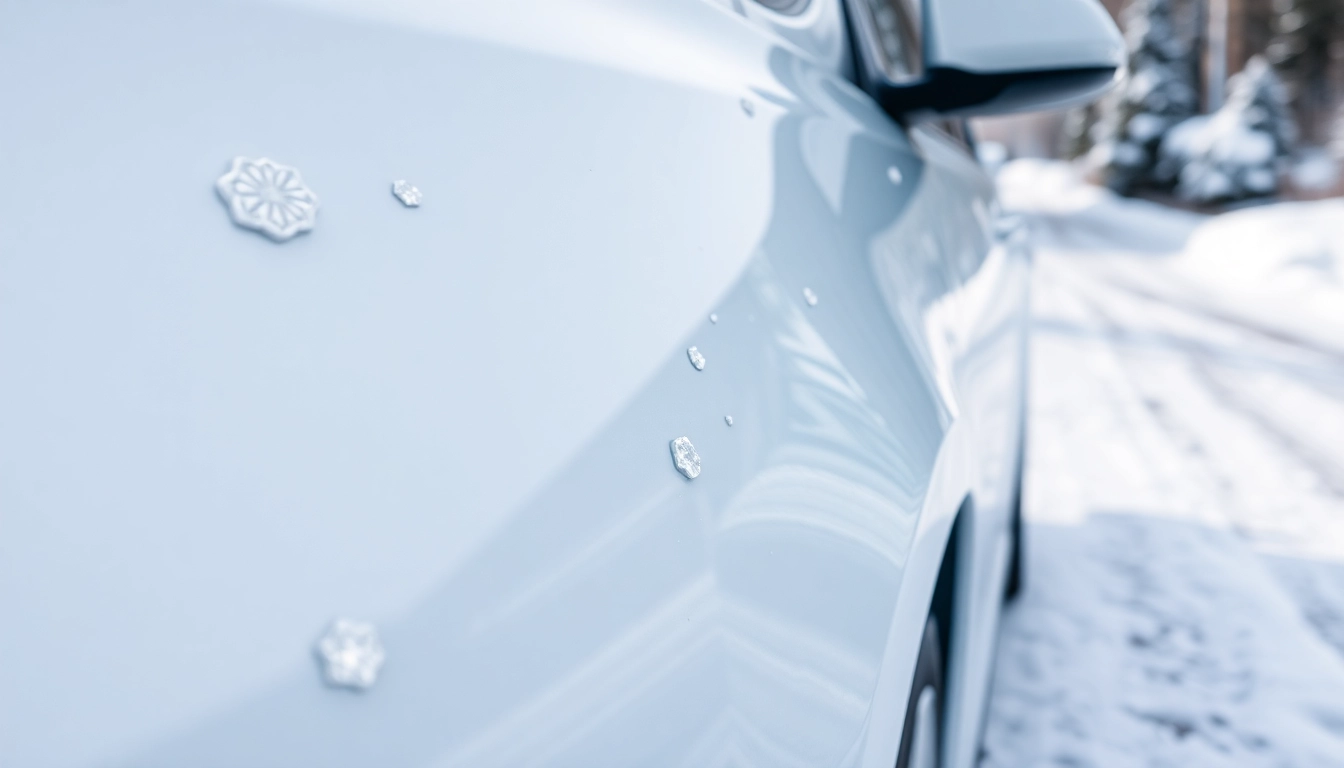
Understanding PPF Winter Road Salt Protection
What is PPF and How Does it Work?
Paint Protection Film (PPF) is a clear, durable wrap applied to a vehicle’s paint surface to guard against scratches, chips, and environmental contaminants. It is typically made from a thermoplastic urethane that absorbs impact and resists chemical damage. PPF adheres tightly to the painted surface, forming a protective barrier that can be self-healing, meaning minor scratches can disappear with heat or sunlight. This makes it an ideal choice for those seeking PPF winter road salt protection during harsh winter conditions.
Importance of Protecting Your Vehicle in Winter
Winter brings specific challenges for vehicle owners, especially in regions where snow and road salt are prevalent. Protecting your vehicle from these elements is crucial in maintaining its appearance and functionality. The accumulation of road salt can accelerate the corrosion process, leading to rust formation and costly repairs. PPF serves as a first line of defense, ensuring that your vehicle stays looking new while keeping its paint intact even in the most severe winter storms.
Common Winter Hazards for Vehicles
During winter, vehicles face numerous hazards, including:
- Road Salt: Essential for melting ice, but highly corrosive.
- Snow and Ice: Can scratch and chip the paint as it builds up.
- Cold Weather: Can cause parts to contract and become brittle.
- Gravel and Sand: Often spread on roads for traction, leading to paint damage.
- Harsh Chemicals: Found in de-icing agents can harm vehicle surfaces.
How to Apply PPF for Maximum Winter Protection
Preparation Steps for PPF Application
Before applying PPF, the vehicle must be thoroughly cleaned and prepared. Follow these steps for optimal results:
- Wash: Use a pH-neutral soap to remove dirt, grime, and water spots.
- Clay Bar Treatment: This removes bonded contaminants on the paint surface.
- Paint Correction: Address any scratches or imperfections to ensure a smooth surface.
- Drying: Ensure the surface is completely dry and free from moisture.
Choosing the Right PPF for Winter Conditions
Not all PPFs are created equal. When selecting a product, consider the following factors:
- Thickness: A thicker film often offers better protection against impacts and abrasions.
- Self-Healing Properties: Self-healing films automatically mend minor scratches and swirls.
- UV Protection: Look for films that resist yellowing and protect against fading from UV rays.
- Adhesive Strength: Ensure the adhesive holds strongly in varying temperatures and climates.
Professional vs. DIY PPF Application
When it comes to applying PPF, you have the option for professional installation or DIY. Each approach has its pros and cons:
- Professional Installation: Offers expertise, a guaranteed quality finish, and often better longevity. However, it can be more costly.
- DIY Installation: Can save money, but requires patience, practice, and precision. Mistakes can lead to bubbles or misalignment, jeopardizing the film’s effectiveness.
Maintenance Tips for PPF During Winter
Cleaning PPF: Best Practices
To keep your PPF in optimal condition throughout winter, follow these cleaning tips:
- Hand Wash: Use a microfiber cloth to gently wash the film. Avoid automatic car washes that can cause scratches.
- Use pH-Neutral Soap: Regular vehicle soap is appropriate; harsh chemicals can damage PPF.
- Dry Carefully: Use soft microfiber towels to dry the surface avoiding any streaking.
Inspecting PPF for Damage After Winter
Regular inspections are key to maintaining the integrity of your PPF. After winter, thoroughly check for:
- Peeling Edges: Ensure the film is properly adhered to the vehicle.
- Scratches: Look for scratches or abrasions that may have occurred during the winter months.
- Stains: Road salt can leave residues; ensure they are cleaned off promptly.
Extending the Life of Your PPF
To maximize the lifespan of your PPF, implement the following practices:
- Avoid Harsh Chemicals: Use gentle cleaners specifically formulated for PPF.
- Regular Washes: Keep the film clean to avoid buildup of contaminants.
- Apply Ceramic Coating: For added protection, apply a ceramic coating over PPF to enhance durability.
Cost-Benefit Analysis of PPF Winter Road Salt Protection
Initial Investment vs. Long-Term Savings
The cost of applying PPF can range from $500 to $2,000 depending on the vehicle size and coverage area. While this may seem like a significant initial investment, consider the long-term savings related to vehicle maintenance and repairs. Protecting your paint from corrosion and scratches helps maintain resale value and prevent costly paint repairs down the line.
PPF vs. Other Protective Solutions
While PPF is a popular choice, it’s essential to compare it with other protective options such as ceramic coatings and waxes. PPF provides superior protection against mechanical damage and road salt, whereas ceramic coatings mainly offer a shine and some level of environmental protection but lack the same impact resistance as PPF. Waxes require frequent reapplication but can enhance gloss; however, they do not shield against physical abrasions effectively.
Customer ROI on PPF Usage in Winter
Numerous customers have reported significant returns on investment when using PPF during winter. Vehicle owners have noticed fewer instances of paint chips and rust, translating to lower maintenance costs and enhanced vehicle durability. Additionally, a well-maintained vehicle often commands a higher resale value, further validating the investment in protective measures like PPF.
Frequently Asked Questions about PPF Winter Road Salt Protection
1. How long does PPF last in winter conditions?
With proper care, PPF can last up to five years, even in harsh winter conditions. Regular inspections are recommended.
2. Can PPF be removed and reapplied?
Yes, PPF can be safely removed and replaced without damaging the vehicle’s paint, allowing for fresh protection as needed.
3. Is PPF effective against road salt?
Absolutely! PPF provides a barrier that protects against corrosive road salt, helping to maintain the vehicle’s finish.
4. Does applying PPF affect my car’s appearance?
High-quality PPF is nearly invisible and enhances the vehicle’s gloss while protecting it from scratches and chemical damage.
5. How much does PPF cost for winter protection?
The cost of PPF varies based on vehicle size and the area covered, typically ranging from $500 to $2,000 for complete protection.