
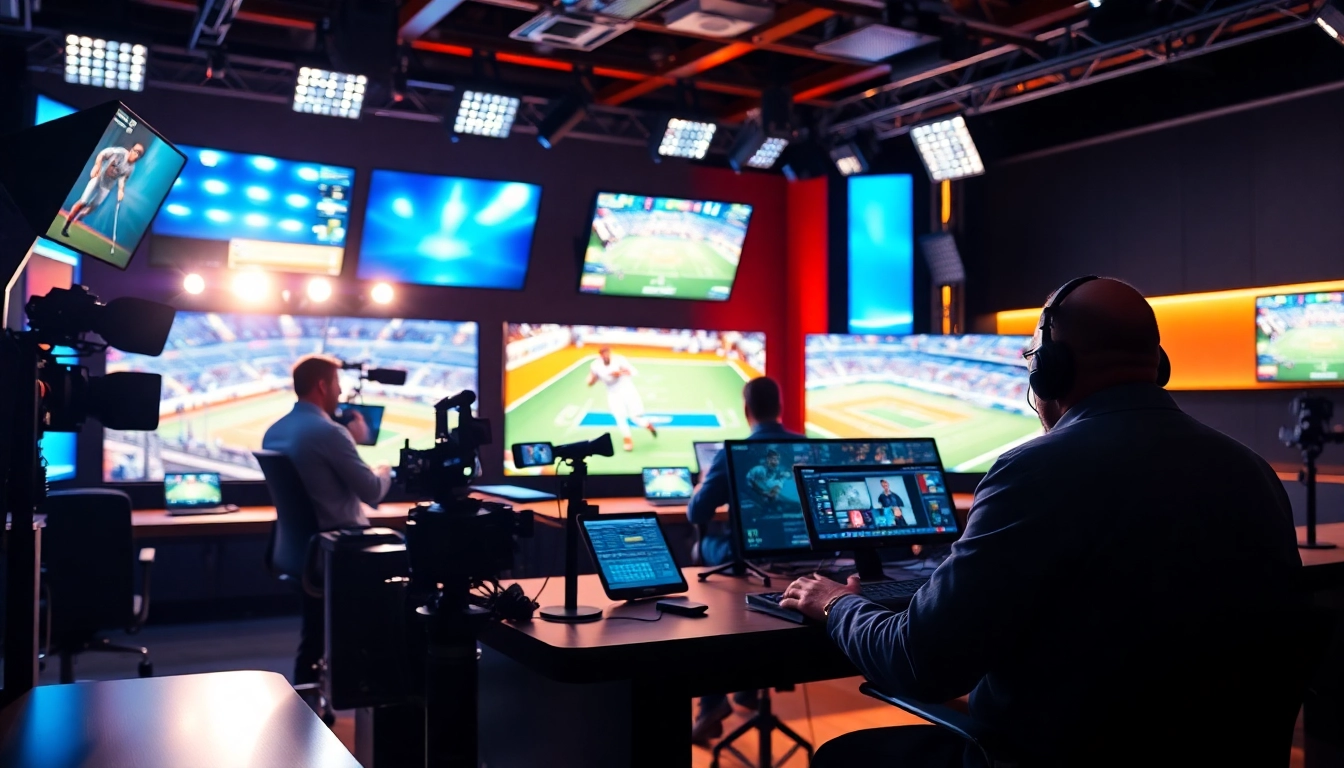
Understanding Sports Broadcasting Basics
Definition and Importance of Sports Broadcasting
Sports broadcasting refers to the distribution of sports content via various media channels, including television, radio, and online platforms. This vital component of the sports industry encompasses the live broadcasting of events, recap shows, and analysis. The Sports Broadcasting sector plays a crucial role in shaping viewer experiences, enhancing engagement, and driving revenue through advertising and sponsorships. It connects fans to their favorite teams and players, fostering community and competition.
Historical Evolution of Sports Broadcasting
The journey of sports broadcasting began in the early 20th century when radio stations started airing live sports events. This innovation allowed fans to experience the thrill of the game from the comfort of their homes. As technology progressed, television became the dominant medium in the mid-20th century, revolutionizing the way audiences consumed sports. The introduction of color broadcasting, satellite transmission, and high-definition television further enhanced viewer engagement. In recent years, the rise of the internet and streaming technologies transformed the landscape, leading to on-demand access and greater interactivity for fans.
The Role of Technology in Sports Broadcasting
Technology serves as the backbone of modern sports broadcasting. High-definition cameras and advanced audio equipment ensure that viewers experience events as if they were in the stadium. Innovations such as drone cameras and virtual reality provide unique perspectives and enhanced immersion. In addition, data analytics and graphics play a pivotal role in delivering detailed statistics and real-time updates, keeping fans informed and engaged throughout an event. The evolution of streaming technology means viewers can watch their favorite events on multiple devices, ensuring greater accessibility than ever before.
Key Components of Sports Broadcasting
Essential Equipment for Sports Broadcasting
The equipment used in sports broadcasting is critical to delivering high-quality content. Key components include:
- Cameras: High-definition and 4K cameras capture the action with clarity and precision.
- Microphones: Quality audio equipment ensures clear sound, from commentary to crowd reactions.
- Switchers: Video switchers allow broadcasters to switch between multiple camera feeds seamlessly.
- Graphics Systems: These systems provide real-time score updates and statistics to enhance viewer engagement.
- Streaming Platforms: Essential for online broadcasting, enabling fans to watch on their devices.
Types of Sports Broadcasting Formats
Sports broadcasting can take various forms, each designed to cater to different audiences and maximize engagement:
- Live Broadcasting: This format delivers real-time coverage of sports events, allowing fans to experience the action as it unfolds.
- Highlight Shows: These programs showcase key moments from games, offering analysis and commentary.
- Analysis and Commentary: Experts provide insights on teams, players, and strategies, enhancing fans' understanding of the sport.
- Podcasts: Audio formats offer in-depth discussions about various sports topics, often featuring guest interviews.
- Recaps and Summaries: Short programs that summarize events for viewers who missed the live broadcast.
Behind the Scenes: Production Team Responsibilities
The production team plays a crucial role in executing a successful broadcast. Key positions include:
- Producers: They oversee the entire production, coordinating schedules and ensuring the broadcast runs smoothly.
- Directors: Responsible for managing camera feeds and directing the flow of the broadcast.
- Cameramen: Capture the live action and execute the director's vision for camera angles and shots.
- Audio Engineers: Ensure high-quality sound by managing microphones, sound mixing, and ambient noise.
- Graphics Operators: Create and deploy graphics, scoreboards, and statistics displayed during the broadcast.
Challenges in Sports Broadcasting
Common Technical Difficulties in Sports Broadcasting
While sports broadcasting aims for seamless delivery, technical difficulties can arise:
- Signal Interference: Poor signal can disrupt live broadcasts, especially in remote locations.
- Equipment Failures: Technical malfunctions in cameras or audio equipment can lead to unsatisfactory viewer experiences.
- Streaming Issues: Internet connectivity problems can lead to buffering and interruptions in online broadcasts.
- Power Failures: Loss of power can stall production, necessitating backup systems for streaming and broadcasting.
Legal Issues in Sports Broadcasting
Navigating legal challenges is vital for sports broadcasters to avoid costly penalties:
- Licensing Agreements: Securing rights to broadcast events is essential, requiring negotiation with leagues and venues.
- Copyright Issues: Unauthorized use of footage or commentary can lead to legal disputes.
- Compliance with Regulations: Broadcasters must adhere to broadcasting standards and regulations imposed by governments.
- Privacy Concerns: Capturing and broadcasting content involving individuals can raise ethical and legal questions.
Maintaining Viewer Engagement Amid Competition
In a crowded market, broadcasters must employ strategies to keep viewers engaged:
- Interactive Features: Polls and live chats enhance viewer participation during broadcasts.
- Compelling Storytelling: Highlighting player backgrounds and rivalries keeps the narrative engaging.
- Unique Camera Angles: Creative filming techniques can provide fresh perspectives on the action.
- Exclusive Content: Offering behind-the-scenes features or interviews can strengthen viewer loyalty.
Best Practices for Sports Broadcasting
Improving Audio and Visual Quality
Superior audio and visual quality are essential for an engaging viewer experience. To improve quality:
- Invest in Professional Equipment: Using high-resolution cameras and advanced audio systems enhances the broadcast quality.
- Regular Equipment Maintenance: Periodically inspecting and maintaining equipment helps avoid technical difficulties.
- Ideal Lighting Conditions: Ensure proper lighting to improve visual clarity, especially in indoor venues.
- Sound Checks: Conduct thorough audio checks before broadcasts to ensure clear vocal delivery and sound mixing.
Engaging Commentators and Analysts
The presence of knowledgeable and engaging commentators plays a critical role in viewer enjoyment. Key strategies include:
- Expert Selection: Choose commentators with experience and charisma to connect with the audience.
- Training Programs: Implement training for analysts to enhance their communication and presentation skills.
- Interactive Commentary: Encourage commentators to engage with viewers through social media and live Q&A sessions.
- Diverse Perspectives: Incorporate analysts with varied backgrounds for depth and breadth in analysis.
Utilizing Social Media for Broader Reach
Social media platforms are essential tools for expanding the reach of sports broadcasts:
- Content Sharing: Promote highlights and key moments across social platforms to attract viewers.
- Engagement Strategies: Use polls, quizzes, and interactive posts to foster conversations around broadcasts.
- Live Updates: Provide real-time updates during events to engage fans unable to watch the broadcast live.
- Partnerships: Collaborate with influencers and sports personalities to enhance visibility and authenticity.
Measuring Success in Sports Broadcasting
Key Performance Indicators for Sports Broadcasting
Measuring the effectiveness of sports broadcasting is crucial for continuous improvement. Important KPIs include:
- Viewership Ratings: Track the number of viewers during broadcasts to assess popularity.
- Audience Retention: Measure how long viewers stay engaged to determine content effectiveness.
- Social Media Engagement: Analyze likes, shares, and comments related to broadcasts to gauge audience interaction.
- Revenue Generation: Evaluate revenue from advertisements and sponsorships linked to broadcasts.
Audience Feedback and Surveys
Direct feedback is invaluable for understanding audience preferences and areas for improvement:
- Post-Broadcast Surveys: Deploy surveys to capture viewer opinions on various aspects of the broadcast.
- Focus Groups: Conduct sessions with select viewers to gather qualitative insights into their experiences.
- Online Feedback Mechanisms: Utilize platforms where fans can express their views and suggestions openly.
- Engagement Analytics: Monitor engagement metrics to gauge viewer satisfaction and interest levels.
Trends and Innovations in Sports Broadcasting
Staying contemporary with industry trends ensures that broadcasters remain competitive:
- Augmented Reality and Virtual Reality: These technologies are enhancing fan engagement, allowing immersive viewing experiences.
- Personalized Content Delivery: Tailoring broadcasts to individual viewer preferences increases viewer satisfaction.
- Data-Driven Analysis: Leveraging analytics can provide deeper insights into game strategies and player performance.
- Multi-Platform Availability: Ensuring broadcasts are accessible across devices allows flexibility and inclusiveness for viewers.
Frequently Asked Questions
What is Sports Broadcasting?
Sports broadcasting refers to the live or recorded transmission of sports events via television, radio, or online platforms, providing entertainment and updates to fans worldwide.
How has technology impacted Sports Broadcasting?
Technology has enhanced sports broadcasting through high-definition visuals, improved audio quality, and innovative tools like VR, providing immersive and engaging experiences for viewers.
What are the key roles in a sports broadcast production team?
A successful sports broadcast team includes producers, directors, cameramen, sound engineers, and graphics operators, each playing a vital role in delivering high-quality content.
How can I measure the success of a sports broadcast?
Success can be measured through viewership ratings, audience retention rates, social media engagement, and revenue generated from ads and sponsorships associated with the broadcast.
What are current trends in sports broadcasting?
Current trends include the integration of augmented reality, personalized content delivery, data-driven analysis, and the availability of broadcasts across multiple platforms for wider access.